
If you're a senior facing health issues, the psychological impact can lead to anxiety, fear, and feelings of loss. Coping with pain and limitations may cause frustration and depression, while social isolation can intensify these challenges. To help cope, stay connected to combat isolation, engage in activities for purpose, practice mindfulness to reduce stress, exercise for well-being, and seek professional help if needed. Understanding these coping strategies is crucial when facing overwhelming psychological effects.
Impact of Health Issues on Seniors
When facing health issues, you may find yourself experiencing a range of psychological effects that can greatly affect your overall well-being. Dealing with health challenges can lead to feelings of anxiety, fear, and uncertainty about the future. It's normal to feel overwhelmed or stressed when navigating through medical issues, but it's essential to remember that you aren't alone in this journey.
One common impact of health issues on seniors is a sense of loss or mourning for your previous level of health and independence. You might feel frustrated or angry about the limitations that your health concerns have placed on your daily life. These emotions are valid, and it's important to acknowledge them while also seeking ways to cope and adapt to your new circumstances.
Additionally, health issues can trigger feelings of isolation or loneliness, especially if they prevent you from participating in activities you once enjoyed. Remember that it's okay to reach out for support from loved ones, healthcare professionals, or support groups. Connecting with others can help combat feelings of loneliness and provide you with the encouragement you need to face your health challenges head-on.
Psychological Challenges Faced by Seniors
Experiencing health issues as a senior can lead to a myriad of psychological challenges that impact your overall well-being. It's common to feel anxious about your health, especially when facing new or chronic conditions. The uncertainty that comes with these issues can trigger feelings of fear and stress, affecting your mental health.
Coping with pain and limitations may lead to frustration or even depression as you navigate changes in your daily life. Additionally, the loss of independence due to health concerns can evoke feelings of helplessness and low self-esteem. Social isolation, a common result of health issues, can intensify these psychological challenges, making you feel lonely and disconnected.
Moreover, the constant worry about your health and the future can consume your thoughts, leading to heightened levels of anxiety. Accepting and adapting to these psychological challenges is crucial for maintaining a positive outlook on life. Seeking support from loved ones, healthcare professionals, or therapists can help you navigate these emotions and develop coping strategies to improve your mental well-being.
Coping Strategies for Senior Wellness
Facing these psychological challenges as a senior, implementing effective coping strategies is key to maintaining overall wellness. One powerful strategy is staying connected with others. Social interactions can help combat feelings of isolation and boost your mood. Engaging in activities you enjoy, such as hobbies or volunteering, can provide a sense of purpose and fulfillment. Additionally, practicing mindfulness and relaxation techniques, like deep breathing or meditation, can help reduce stress and anxiety.
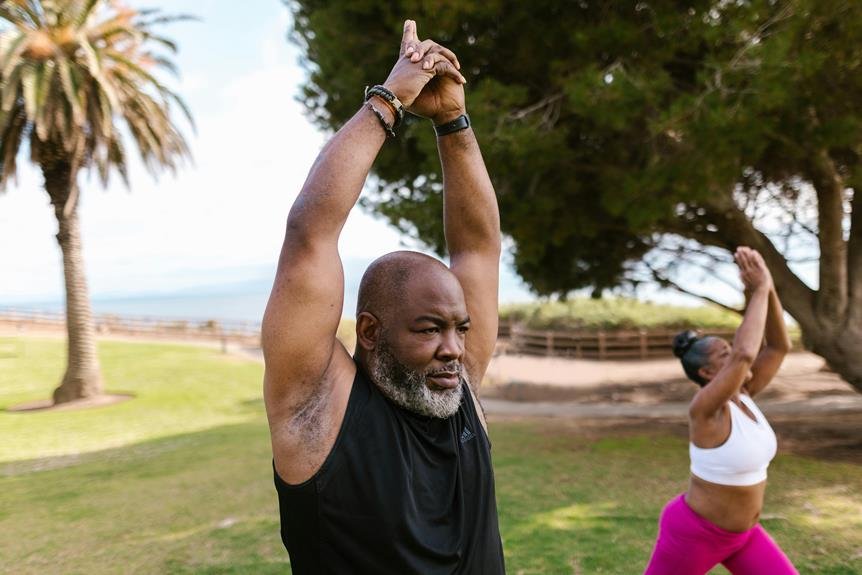
Exercise is another essential coping strategy for senior wellness. Physical activity not only improves your physical health but also has significant benefits for your mental well-being. Whether it's going for a walk, practicing yoga, or participating in group fitness classes, staying active can elevate your mood and increase your overall sense of well-being.
Lastly, seeking professional help when needed is crucial. Talking to a therapist or counselor can provide you with the support and guidance necessary to navigate through challenging times. Remember, it's okay to ask for help and prioritize your mental health. By incorporating these coping strategies into your daily routine, you can enhance your overall wellness and resilience as a senior.
Conclusion
As a senior facing health issues, it's normal to experience psychological challenges such as anxiety and depression. However, by seeking support from loved ones, staying active both physically and socially, and practicing mindfulness and relaxation techniques, you can cope with these challenges and improve your overall well-being.
Remember, you aren't alone in this journey and there are resources available to help you navigate through these difficult times. Stay strong and take care of yourself.