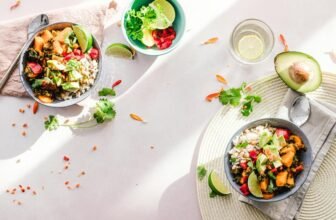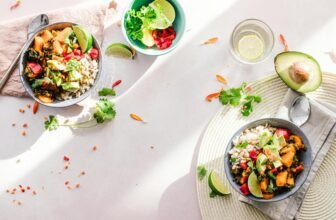
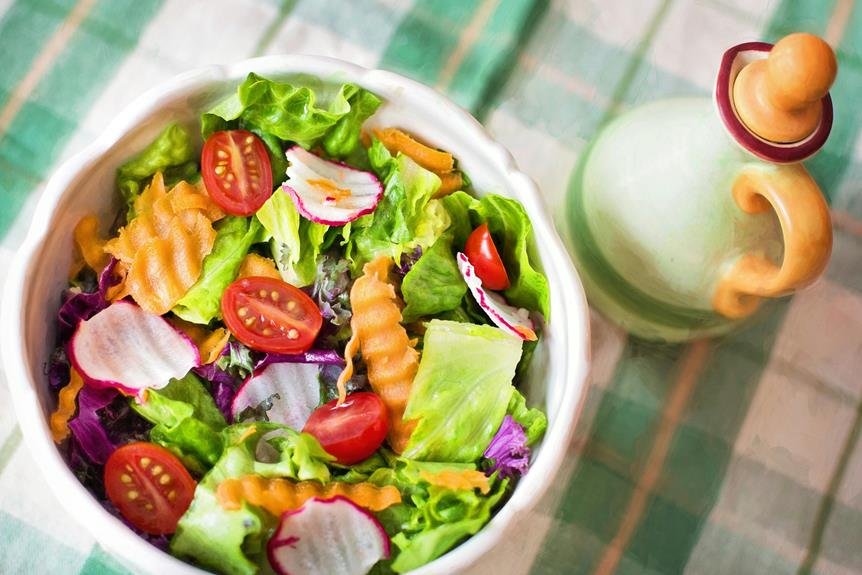
To transition to a vegetarian or vegan diet successfully, start by gradually adding plant-based foods to your meals. Experiment with recipes, spices, and cooking methods to keep things interesting. Plan your meals ahead to ensure you're getting all the necessary nutrients. Communicate your preferences in social situations and get creative with alternatives to your favorite dishes. Remember, transitioning at your own pace and exploring new foods can make the journey enjoyable and fulfilling.
Benefits of Vegetarian/Vegan Transition
Transitioning to a vegetarian or vegan diet offers numerous benefits for your health and overall well-being. By choosing to embrace a plant-based lifestyle, you're actively reducing your risk of chronic diseases such as heart disease, diabetes, and certain types of cancer. Not only does this dietary shift benefit your physical health, but it also contributes to your mental well-being. Consuming a diet rich in fruits, vegetables, and whole grains can enhance your mood and energy levels, leading to a greater sense of vitality and clarity.
Moreover, transitioning to a vegetarian or vegan diet allows you to align your values with your actions. By opting for plant-based options, you're making a positive impact on the environment and reducing animal suffering. This conscious choice empowers you to live in accordance with your beliefs and contribute to a more sustainable future for all beings. Embracing a vegetarian or vegan diet isn't just about what you eat; it's a powerful statement of compassion, mindfulness, and freedom.
Practical Tips for Diet Transition
To successfully transition to a vegetarian or vegan diet, it's important to gradually introduce plant-based foods into your meals while ensuring you meet your nutritional needs. Start by incorporating more fruits, vegetables, whole grains, legumes, nuts, and seeds into your daily meals. Experiment with different recipes and cooking methods to discover new favorite dishes that align with your dietary preferences. Get creative with spices, herbs, and sauces to add flavor and variety to your meals. Consider trying meat and dairy substitutes like tofu, tempeh, plant-based milks, and vegan cheeses to help ease the transition.
Plan your meals ahead of time to ensure you're getting a balanced diet that provides all the necessary nutrients. Keep an eye on your protein intake by including sources like beans, lentils, quinoa, and tofu. Don't forget about essential nutrients like iron, calcium, vitamin B12, and omega-3 fatty acids, which can sometimes be lacking in a vegetarian or vegan diet. Remember, transitioning to a vegetarian or vegan diet should be a journey of exploration and enjoyment, so have fun discovering new foods and flavors that work for you.
Overcoming Challenges in Transition
Navigating the shift to a vegetarian or vegan diet may present challenges that can be effectively addressed with mindful planning and informed choices. One common obstacle is social situations, where traditional meals may not align with your new dietary choices. To overcome this, consider communicating your preferences to friends and family or bringing a dish to share that fits your diet.
Another challenge is the potential for nutrient deficiencies if not eating a well-balanced plant-based diet. Ensure you include a variety of fruits, vegetables, whole grains, legumes, nuts, and seeds to meet your nutritional needs.
Additionally, cravings for familiar foods like meat or dairy can arise during the transition. Experiment with plant-based alternatives or try new recipes to satisfy these cravings. Remember, transitioning to a vegetarian or vegan diet is a personal journey, and it's okay to take it at your own pace.
Conclusion
Transitioning to a vegetarian or vegan diet can be a rewarding journey for both your health and the planet. By gradually incorporating more plant-based foods into your meals and being mindful of your protein sources, you can successfully make the switch.
Remember to be patient with yourself, as challenges may arise, but with determination and a positive attitude, you can thrive on a vegetarian or vegan diet.
Good luck on your journey to a more sustainable and compassionate way of eating!