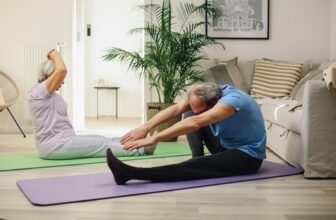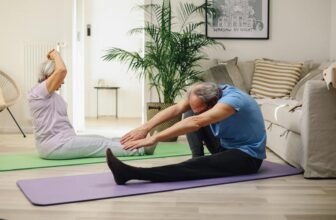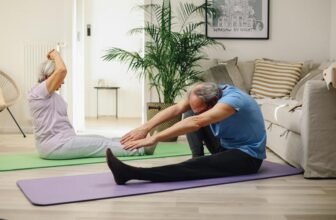

Stretching is crucial for seniors dealing with chronic pain and conditions as it improves flexibility, mobility, and quality of life. Engaging in stretching exercises helps muscles relax, reduces injury risk, and eases stiffness, discomfort, aches, and pains. Specific stretches like knee-to-chest, cross-body arm, seated hamstring, and cat-cow stretches target chronic pain areas, providing significant relief. By incorporating stretching into your daily routine with full-body stretches in the morning, short breaks throughout the day, and calming stretches before bed, you can effectively manage discomfort and enhance your overall well-being.
Importance of Stretching for Seniors
Stretching is crucial for seniors as it helps improve flexibility, mobility, and overall quality of life. Incorporating stretching into your daily routine can help you feel more agile and independent. By regularly stretching, you're giving your muscles the opportunity to lengthen and relax, reducing the risk of injury and improving your range of motion. This increased flexibility can make everyday activities easier and more enjoyable.
Moreover, stretching can also help alleviate stiffness and discomfort in your body. As we age, our muscles tend to tighten, leading to aches and pains. Stretching can counteract this tightness, promoting better circulation and joint health. Not only does stretching feel good, but it can also boost your mood and energy levels. It's a simple yet powerful way to take control of your well-being and stay active. So, don't underestimate the impact that a few minutes of stretching each day can have on your overall health and vitality.
Specific Stretching Exercises for Chronic Pain
Addressing chronic pain in seniors through targeted stretching exercises can provide significant relief and improve overall quality of life.
For lower back pain, try the knee-to-chest stretch by lying on your back, bringing one knee towards your chest, and holding for 20-30 seconds. Repeat with the other knee.
To relieve shoulder tension, attempt the cross-body arm stretch – bring one arm across your body at shoulder height and gently hold it with the other arm for 20-30 seconds. Switch sides and repeat.
For tight hamstrings, the seated hamstring stretch is beneficial – sit on the edge of a chair, extend one leg with heel on the floor, and lean forward slightly until you feel a stretch. Hold for 20-30 seconds and switch legs.
Incorporate the cat-cow stretch for spinal flexibility – start on your hands and knees, arch your back up like a cat, then lower it down like a cow, repeating the motion for 1-2 minutes.
These targeted stretches can help ease chronic pain and enhance your daily comfort.
Tips for Incorporating Stretching Into Daily Routine
To make stretching a regular part of your day, consider integrating these simple exercises into your daily routine. Begin your morning with a gentle full-body stretch to wake up your muscles and increase blood flow.
Throughout the day, take short stretching breaks to release tension and prevent stiffness. Incorporate stretches into your existing activities, like reaching for the sky while waiting for the kettle to boil or doing leg lifts while watching TV.
Make it fun by turning stretching into a game or challenge with friends or family. Listen to your body and only stretch as far as comfortable to avoid injury. Remember to breathe deeply and exhale while stretching to enhance relaxation.
End your day with calming stretches to unwind and prepare for a restful night's sleep. By incorporating stretching into your daily routine in these simple ways, you can improve flexibility, reduce pain, and enhance your overall well-being.
Conclusion
In conclusion, stretching can be a valuable tool for seniors in managing chronic pain and conditions. By incorporating specific stretching exercises into your daily routine, you can improve flexibility, reduce muscle tension, and alleviate discomfort.
Remember to listen to your body, start slowly, and consult with a healthcare professional before beginning any new exercise regimen.
With consistency and dedication, stretching can help seniors maintain mobility and overall well-being.