
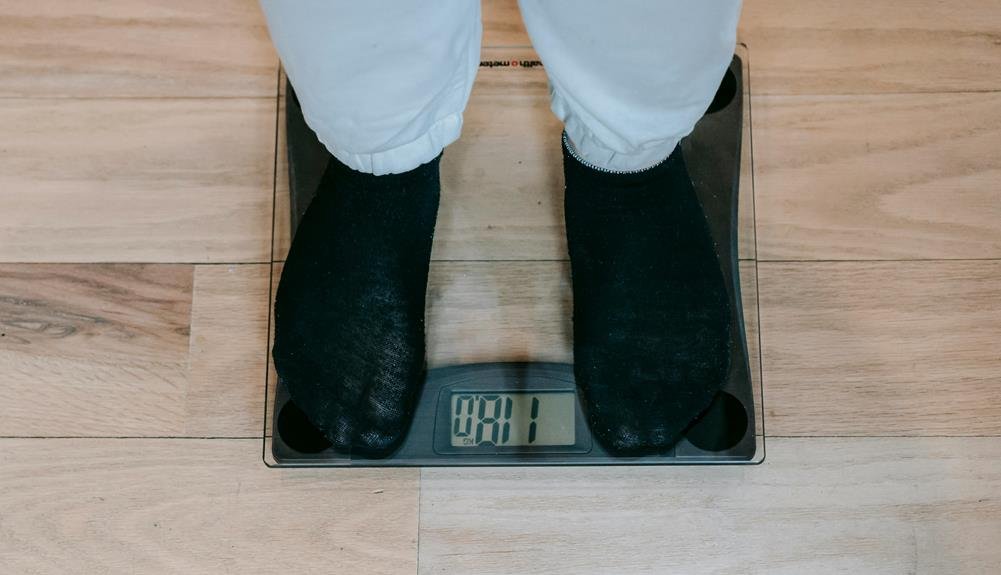
To create a balanced diet plan for weight management, start by understanding your caloric needs based on factors like age, gender, weight, height, and activity level. Tailor your diet to meet these needs, enabling you to make conscious food choices. Build meals with nutrient-rich foods like fruits, vegetables, whole grains, lean proteins, and healthy fats. Prioritize a balanced breakfast, divide lunch and dinner plates with veggies, lean proteins, and whole grains, and boost nutrition with snacks like nuts, seeds, and yogurt.
By incorporating sustainable habits like focusing on lasting habits, whole foods, hydration, regular physical activity, and quality sleep, you can support your weight management efforts effectively.
Understanding Caloric Needs
To create a balanced diet plan for weight management, you must first understand your caloric needs. Your body requires a certain amount of energy to function optimally, and this energy comes from the calories you consume. Freedom lies in knowing that you have the power to make informed choices about what you eat. Calculating your caloric needs involves considering factors like your age, gender, weight, height, and activity level. By understanding these needs, you can tailor your diet to support your weight management goals effectively.
Taking control of your caloric intake empowers you to make conscious decisions about the foods you consume. It's liberating to know that you can strike a balance between enjoying your favorite treats and nourishing your body with healthy options. Remember, it's not just about the quantity of calories but also the quality of the foods you choose. Embrace the freedom that comes with understanding your caloric needs and use this knowledge to craft a sustainable and balanced diet plan for successful weight management.
Building Nutrient-Rich Meals
Creating meals rich in essential nutrients is key to supporting your body's health and achieving your weight management goals. When planning your meals, focus on incorporating a variety of fruits, vegetables, whole grains, lean proteins, and healthy fats.
Start your day with a balanced breakfast that includes sources of protein, fiber, and vitamins to fuel your body and keep you satisfied. For lunch and dinner, aim to fill half your plate with vegetables, a quarter with lean protein like chicken, fish, or tofu, and a quarter with whole grains such as quinoa or brown rice.
Snack on nuts, seeds, or yogurt for a nutrient boost between meals. Experiment with herbs and spices to add flavor without relying on excess salt or sugar. Remember, building nutrient-rich meals doesn't have to be complicated. Keep it simple, have fun exploring new recipes, and listen to your body's hunger and fullness cues to maintain a healthy balance.
Incorporating Sustainable Habits
Incorporate sustainable habits into your daily routine for long-term success in weight management. Instead of restrictive diets, focus on building lasting habits that support your health and weight goals. Start by incorporating more whole foods like fruits, vegetables, whole grains, and lean proteins into your meals. These foods aren't only nutritious but also filling, helping you stay satisfied and avoid overeating.
Make hydration a priority by keeping a reusable water bottle with you throughout the day. Staying hydrated not only supports your overall health but can also help prevent overeating by keeping hunger cues in check. Additionally, aim to move your body regularly in ways that you enjoy. Whether it's dancing, hiking, or yoga, find activities that bring you joy and make them a regular part of your routine.
Lastly, prioritize quality sleep to support your weight management efforts. Lack of sleep can disrupt hunger hormones and lead to increased cravings for unhealthy foods. By establishing sustainable habits like these, you can create a balanced lifestyle that promotes long-term weight management success.
Conclusion
In conclusion, creating a balanced diet plan for weight management involves understanding your caloric needs, building nutrient-rich meals, and incorporating sustainable habits.
By focusing on a variety of foods that provide essential nutrients and energy, you can support your overall health and achieve your weight management goals.
Remember to listen to your body's cues and make adjustments as needed to maintain a healthy and sustainable eating plan.