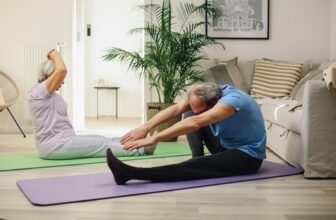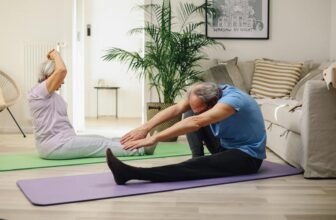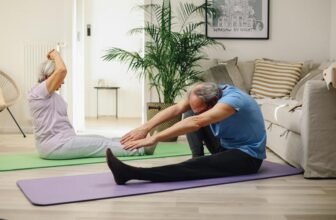
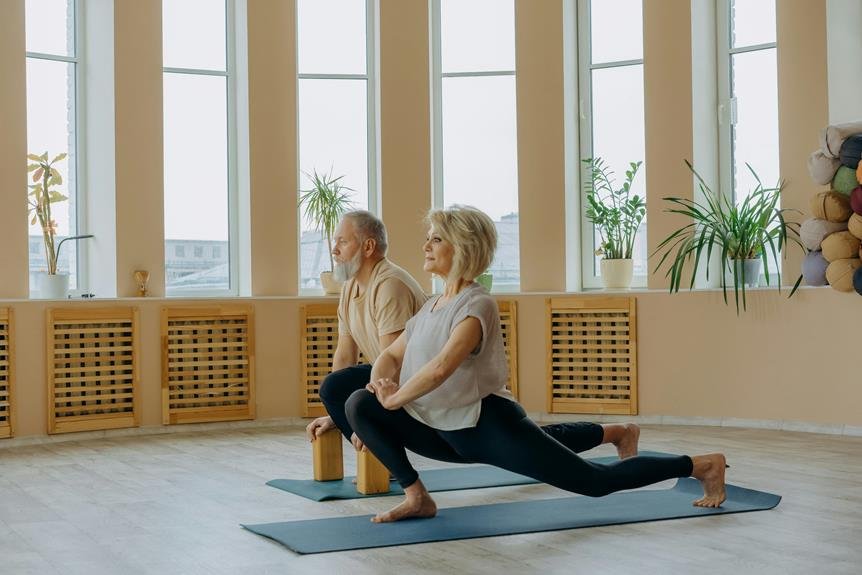
Maintain your vitality and freedom by incorporating stretching into your routine. Stretching helps you stay flexible and mobile by improving blood circulation, reducing muscle soreness, and enhancing balance. By setting aside time daily to focus on major muscle groups, holding each stretch and avoiding bouncing, you can preserve your ability to move freely and enjoy life.
Importance of Flexibility and Mobility
Why is maintaining flexibility and mobility crucial as we age?
Well, let's break it down. Picture this: you wake up in the morning, and you want to start your day with ease. Being able to move freely means you can reach down to tie your shoelaces without a struggle or twist to grab something from a high shelf without feeling stiff. It's all about independence and freedom in your movements.
As you age, your joints tend to stiffen, muscles weaken, and balance may become less stable. By keeping flexible and mobile, you're empowering yourself to continue doing the things you love without limitations. Whether it's playing with your grandkids, taking a leisurely walk in the park, or simply being able to bend down to pet your furry companion, flexibility and mobility are the keys to maintaining an active and fulfilling lifestyle.
Benefits of Stretching for Seniors
Maintaining flexibility and mobility can be greatly enhanced through regular stretching exercises, particularly for seniors looking to preserve their range of motion and reduce stiffness in their joints. Stretching offers a multitude of benefits for seniors seeking to stay active and independent.
By incorporating stretching into your routine, you can improve blood circulation, which helps in supplying nutrients to your muscles and reducing muscle soreness. Additionally, stretching can enhance your posture and balance, decreasing the risk of falls and injuries. It also aids in relieving tension and stress, promoting a sense of relaxation and well-being.
Moreover, regular stretching can help increase your overall flexibility, making daily activities easier and more enjoyable. Embrace the freedom that comes with improved flexibility and mobility through consistent stretching practices. Remember, the more you stretch, the better you'll feel, enabling you to maintain an active and fulfilling lifestyle.
Tips for Incorporating Stretching Exercises
To effectively incorporate stretching exercises into your routine, begin by setting aside dedicated time each day for these beneficial activities. Choose a time that works best for you, whether it's first thing in the morning to energize your day or in the evening to unwind. Creating a consistent schedule will help make stretching a natural part of your daily routine.
When starting your stretching session, remember to focus on major muscle groups like your calves, thighs, hips, back, shoulders, and neck. Hold each stretch for about 15-30 seconds, breathing deeply and relaxing into the stretch. Avoid bouncing, which can lead to injury, and instead opt for smooth and steady movements.
Incorporate a variety of stretches to target different areas of your body and improve overall flexibility. Listen to your body and adjust the intensity of the stretch as needed. Remember, stretching should never be painful; it should feel like a gentle pull. Stay hydrated, wear comfortable clothing, and enjoy the freedom that comes with improved flexibility and mobility.
Conclusion
So, if you're a senior looking to maintain flexibility and mobility, incorporating stretching exercises into your routine is key. Stretching can help improve range of motion, reduce stiffness, and prevent injury.
By committing to a regular stretching routine, you can enhance your overall quality of life and stay active and independent as you age. Remember, it's never too late to start prioritizing your flexibility and mobility!