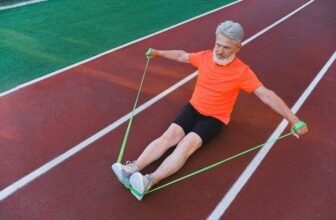

Boost your strength, balance, and overall well-being as you age by embracing resistance training. This crucial practice helps maintain muscle mass, mobility, and independence, empowering you to move with greater ease and tackle daily tasks. With benefits like increased muscle strength, better balance, boosted metabolism, and enhanced bone health, starting safely by prioritizing form, technique, and controlled movements will set you on the path to a resilient and active lifestyle. Listen to your body, challenge yourself, and remember to warm up and cool down for optimal results.
Importance of Resistance Training for Seniors
Resistance training is crucial for seniors to maintain muscle strength and overall mobility. By engaging in resistance exercises, you can empower yourself to move with greater ease and independence. As you age, muscle mass naturally decreases, but resistance training can help combat this process, allowing you to stay strong and active.
When you incorporate resistance training into your routine, you're taking control of your physical well-being. Instead of feeling limited by age-related changes, you're embracing the opportunity to strengthen your muscles and improve your overall quality of life. With each resistance exercise, you're building resilience and fortitude, enabling you to tackle daily tasks with vigor and vitality.
Key Benefits of Resistance Training
Enhancing resistance training in your routine can lead to significant improvements in your overall physical health and well-being. By incorporating resistance training into your workouts, you can experience a range of benefits that can enhance your quality of life.
Resistance training helps increase muscle strength, which is crucial for maintaining independence as you age. Stronger muscles also support better balance and stability, reducing the risk of falls and injuries. Additionally, resistance training can boost your metabolism, making it easier to manage your weight and improve body composition.
Another key benefit of resistance training is its positive impact on bone health. It helps increase bone density, reducing the risk of osteoporosis and fractures. Moreover, engaging in resistance training can enhance your mental well-being by reducing symptoms of anxiety and depression. It also promotes better sleep and overall cognitive function.
Safe Practices for Starting Resistance Training
To ensure a safe and effective start to your resistance training journey, it's vital to prioritize proper form and technique right from the get-go. Begin by selecting weights that challenge you but still allow for controlled movements. Remember, quality over quantity is key.
When performing exercises, focus on your breathing, exhaling during the exertion phase and inhaling during the release. This helps stabilize your core and improve overall control. Always warm up before diving into your routine; a brief five to ten-minute cardio session can get your blood flowing and muscles ready for action.
Listen to your body throughout your workouts – if something doesn't feel right, don't push through it. Lastly, don't forget to cool down and stretch after your session to aid in muscle recovery and flexibility.
Conclusion
Now that you know the benefits of resistance training for older adults, it's time to start incorporating it into your routine.
Remember to start slowly, listen to your body, and always prioritize safety.
With regular resistance training, you can improve your strength, balance, and overall quality of life as you age.
So don't wait any longer – get started today and reap the rewards of a stronger and healthier body.